
A permanent change of station comes with a long list of details: orders, housing, schools, travel plans, movers, records, and all the “small” tasks that suddenly become urgent.
Insurance can easily get pushed to the bottom of that list. As a military spouse, mother, local resident, and small business owner, I understand how quickly PCS season can turn into organized chaos. My team and I at The Goines Agency want to help make the insurance portion easier.
Before you leave Fort Campbell, use this checklist to review your renters insurance, homeowners insurance, auto insurance, personal property, liability protection, and storage plans. A quick conversation before departure can help identify and fill coverage gaps: and provide peace of mind during the transition.
Important: Insurance requirements and coverage details vary by policy, state, destination, and move type. Use this guide as a starting point, then confirm the details with your insurance professional.
1. Notify your insurance agent as soon as you have orders
You do not have to wait until moving day to call. As soon as you know your approximate departure date and destination, contact your agent.
Share details such as:
- Your expected move-out date
- Your new duty station or destination
- Whether you will rent, buy, live on post, or place a home in storage
- Whether your household goods will be shipped or stored
- Which vehicles each family member will drive
- Whether a vehicle will remain behind during deployment
- Any new valuables, business property, or recreational vehicles
Your insurance policy is based on your circumstances. If your household, address, vehicle use, or property changes, your policy may need to change, too.
Military OneSource recommends starting your PCS planning as soon as you know a move is coming. Its PCS planning guide also points families toward Plan My Move, MilitaryINSTALLATIONS, and the Defense Personal Property System.
2. Update your address: and distinguish every location
A PCS may involve several addresses at once:
- Your current home
- A temporary lodging address
- Your new home
- A storage facility
- Your military or mailing address
- Your vehicle’s physical garaging address
Make sure your insurer knows which address applies to each policy.
For renters or homeowners insurance, the important address is generally the location of the home or residence being insured. For auto insurance, your agent also needs to know where each vehicle is garaged, meaning where it is parked most of the time.
This matters for Fort Campbell families because your move may involve Tennessee, Kentucky, or another state entirely. A family living in Clarksville, Tennessee, may have different insurance considerations from a family living in Oak Grove or Hopkinsville, Kentucky: even when both are connected to Fort Campbell.

3. Review renters or homeowners insurance before you move
If you are renting a home or apartment, maintain renters insurance through the move and update it for your new residence.
Renters insurance can help protect:
- Furniture and electronics
- Clothing and uniforms
- Appliances and household items
- Personal belongings away from home, subject to policy terms
- Your personal liability
- Additional living expenses after certain covered losses
A landlord’s insurance generally protects the building: not your personal belongings. It also does not automatically protect you from liability if you accidentally cause damage or someone is injured in your home.
If you own a home and are selling it, ask how your coverage applies while the house is vacant, during the transition, or while belongings are being removed. If you plan to rent out the home after your PCS, tell your agent. A standard homeowners policy may not be the right policy for a home that becomes a rental property.
For more education, visit our home insurance coverage tips. If you are searching for renters insurance in Clarksville, TN, my team can help you compare your current protection with what your new lease requires.
4. Confirm coverage for belongings in transit or storage
Moving trucks and storage units create one of the most common PCS coverage gaps.
Before the movers arrive, ask:
- Are my belongings covered while they are being packed and transported?
- Are they covered while temporarily stored?
- Are there limits for property kept away from the residence?
- Are high-value items subject to special limits?
- Is damage from mishandling, breakage, water, or temperature changes covered?
- Do I need separate storage or transit coverage?
- What documentation would be needed for a claim?
Do not assume that government transportation coverage and your personal insurance provide the same protection. They may involve different responsibilities, valuation rules, exclusions, and claim procedures.
Military OneSource advises families to keep a household inventory, carry important documents with them, and learn how to report loss or damage after a PCS shipment. You can also review the Defense Personal Property System and Military OneSource’s moving personal property resources.
5. Create an inventory and document valuables
Before packing, walk through each room and take photos or video. Open closets, drawers, cabinets, and storage areas so you have a record of what you own.
For higher-value items, save:
- Receipts
- Appraisals
- Serial numbers
- Model numbers
- Photos of the items
- Purchase dates
- Repair or maintenance records
Pay special attention to jewelry, electronics, collectibles, musical instruments, artwork, firearms, professional equipment, and other items that may have special policy limits.
Ask whether a valuable should be specifically scheduled on your policy. Scheduling property may require documentation, but it can provide more intentional protection than relying on a standard category limit.
Keep your inventory, insurance policies, orders, identification, titles, and other important records with you. Do not place your only copies inside household goods.

6. Review auto insurance and each vehicle’s garaging location
Before leaving Fort Campbell, review every vehicle on your policy.
Confirm:
- The correct drivers are listed
- The vehicles and vehicle identification numbers are accurate
- The physical garaging address is current
- Your coverage applies in the destination state
- Your liability limits still fit your needs
- Comprehensive and collision coverage are appropriate
- Rental reimbursement and roadside assistance are included if needed
- A trailer, camper, or other equipment is insured appropriately
“Full coverage” is not a formal insurance term, and it may not include every protection your family expects. As we explain in our auto insurance coverage tips, uninsured motorist coverage, medical payments, rental coverage, and emergency road service can be overlooked when families focus only on liability, comprehensive, and collision.
If you are looking for auto insurance in Clarksville, TN, be especially clear about where the vehicle is parked most of the time. If you move to Kentucky, live on post, stay in temporary lodging, or split time between two locations, tell your agent rather than guessing which address to use.
7. Plan for a stored vehicle or deployment
If one vehicle will sit unused during deployment, storage, or an extended absence, call your agent before changing coverage.
Ask about:
- Comprehensive coverage while the vehicle is stored
- Whether the storage location changes the policy
- Whether anyone may drive the vehicle
- Battery, maintenance, and security precautions
- Loan or lease requirements
- Registration requirements in the applicable state
- What happens if the vehicle is damaged by weather, theft, vandalism, or an animal
Avoid canceling insurance or removing coverage without discussing it first. A financed or leased vehicle may have contract requirements, and a vehicle can still face risks while parked.
If your vehicle is being shipped as part of an overseas move, contact your transportation office and insurance agent early. Military OneSource provides additional information through its PCS and vehicle resources.
8. Confirm personal liability protection
A PCS can change your liability exposure. You may have a new home, a new landlord, a new neighborhood, a pool, a rental property, a teen driver, or a vehicle used by visiting family members.
Review:
- Renters or homeowners personal liability
- Medical payments coverage
- Auto liability limits
- Uninsured and underinsured motorist coverage
- Landlord liability if you rent out your former home
- Umbrella insurance if your assets or income have grown
The goal is not simply to buy more insurance. It is to understand what you have, what you may need, and where the gaps could affect your family financially.
9. Use this PCS insurance timeline
As soon as you receive orders
- Contact your insurance agent
- Review your current home, renters, auto, and life insurance
- Start a home inventory
- Identify valuables and obtain appraisals if needed
- Ask about transit and storage coverage
About 30 days before departure
- Provide your anticipated new address
- Confirm the garaging location for every vehicle
- Review your lease, homeowners policy, or rental-property plans
- Confirm movers’ documentation and claims procedures
- Arrange coverage for any storage unit or stored vehicle
During the move
- Keep insurance cards, policies, orders, titles, and inventory records with you
- Carry medications, valuables, and essential documents
- Photograph vehicle condition before shipment
- Keep receipts and an expense log
- Report loss or damage according to the appropriate procedures
After arrival
- Confirm the new address and garaging location
- Update your policy once your housing is finalized
- Review limits and deductibles
- Confirm any lease-required liability coverage
- Inspect delivered belongings promptly
- Revisit your coverage after you are fully settled
Your local Fort Campbell insurance resource
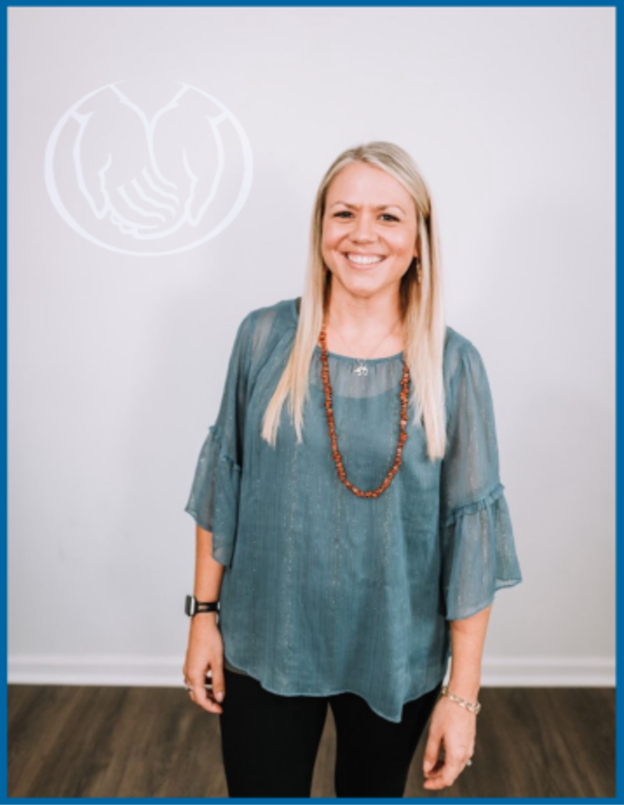
A PCS is a major transition, but you do not have to sort through every insurance question alone. I am a military spouse, mother, resident, and small business owner, and I know how much coordination goes into moving a military family.
At The Goines Agency, my local award-winning team and I focus on education and service. We will help you understand what you are paying for, identify coverage gaps, and make thoughtful updates for your next chapter.
We are proud to be your local expert for home, auto, business, and life insurance for families in Clarksville, Fort Campbell, and the surrounding Tennessee and Kentucky communities.
Ready to check insurance off your PCS list? Contact The Goines Agency or call 931-553-1970. We are happy to review your coverage, answer questions, and help you move forward with greater peace of mind.

Quick takeaway
Before you leave Fort Campbell, remember to:
- Update every address connected to your policies
- Confirm each vehicle’s physical garaging location
- Review renters or homeowners coverage
- Ask about belongings in transit and storage
- Document valuables and keep records with you
- Plan for deployment or a stored vehicle
- Review liability limits and policy requirements
- Start the conversation before moving day
A little preparation now can help prevent stressful surprises later. We appreciate the military families who call Clarksville and Fort Campbell home: and we are glad to help whenever your next PCS arrives.
Helpful resources
- Military OneSource: Plan Your Next Military PCS
- Military OneSource: Moving Personal Property
- Military OneSource: Moving Claims
- Fort Campbell Army Community Service PCS Moving Checklist
- TRICARE: Coordinating Medical Coverage Before, During, and After a Move
- The Goines Agency: Military Family Guide to Car and Renters Insurance