
If you ride around Clarksville, Fort Campbell, Hopkinsville, or across the Tennessee-Kentucky line, you may be asking: “What motorcycle coverage do I need beyond basic liability?”
The short answer is this: Most riders should consider uninsured/underinsured motorist coverage, collision, comprehensive, medical payments, roadside assistance, and coverage for custom parts and equipment, in addition to liability. The right combination depends on your motorcycle, riding habits, household finances, loan requirements, and PCS plans.
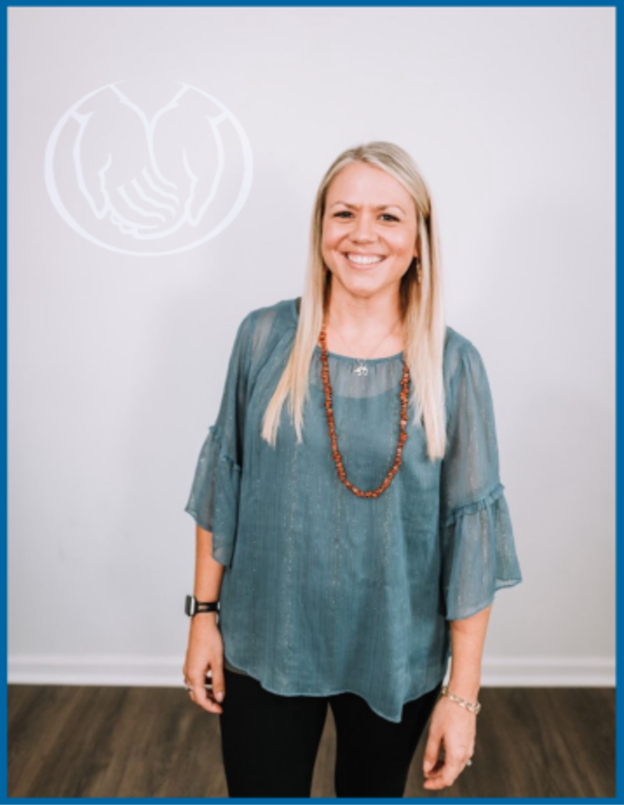
I’m Alexis Goines, and as a Clarksville resident, military spouse, mother, and small business owner, I understand why local riders want coverage explained clearly. My team and I help riders look beyond the cheapest number so they can identify coverage gaps and have greater peace of mind when they need their policy.
What motorcycle insurance is required in Tennessee?
Tennessee’s Financial Responsibility Law applies to motorcycles with regular motorcycle license plates. The current minimum liability limits are:
- $25,000 for bodily injury or death to one person
- $50,000 for bodily injury or death per accident
- $25,000 for property damage per accident
These limits are commonly written as 25/50/25. They help pay for injuries or property damage you cause to someone else. They do not automatically pay to repair your motorcycle, replace your riding gear, or cover your own injuries.
You must also maintain proof of financial responsibility when operating your motorcycle. The Tennessee Department of Revenue explains the state’s Financial Responsibility Law.
Tennessee minimum limits are a starting point, not necessarily a sufficient amount of protection. A serious accident can involve hospital bills, lost income, vehicle damage, legal expenses, and claims that exceed minimum limits quickly.
For more background on liability limits and required insurance, you can also review our Tennessee auto insurance requirements guide. Many of the liability principles are similar, but a motorcycle needs its own policy.
The motorcycle coverage most riders should consider

1. Liability coverage
Liability coverage is the foundation of your Tennessee motorcycle insurance policy. It generally includes:
- Bodily injury liability: Helps pay for injuries you cause to other people.
- Property damage liability: Helps pay for damage you cause to another vehicle, fence, building, or other property.
- Legal defense: May help with covered lawsuits, subject to the policy terms and limits.
I often recommend that riders with savings, a home, retirement accounts, or other assets consider liability limits higher than Tennessee’s minimums. Minimum limits may satisfy the law but leave you financially exposed after a serious accident.
2. Uninsured and underinsured motorist coverage
This is one of the most important coverages for motorcycle riders.
Uninsured motorist coverage may help if the driver who causes your accident has no insurance. Underinsured motorist coverage may help when the at-fault driver has insurance, but not enough to cover your injuries and damages.
Tennessee insurers generally must offer uninsured/underinsured motorist coverage, but you may be allowed to reject or reduce it in writing. Even though it may not be legally required, I encourage riders to give it serious consideration.
Motorcyclists have less physical protection than people inside passenger vehicles. If an uninsured driver turns in front of you on Riverside Drive, Wilma Rudolph Boulevard, Fort Campbell Boulevard, or a rural Kentucky highway, your own UM/UIM coverage may become especially important.
Many riders choose UM/UIM limits that match their bodily injury liability limits. Your exact options depend on the carrier and policy form.
3. Collision coverage
Collision coverage helps pay to repair or replace your motorcycle after a crash with:
- Another vehicle
- A stationary object
- A guardrail or fence
- A pothole or other roadway hazard
- A single-vehicle accident, depending on the circumstances
Collision coverage typically applies regardless of who caused the accident, subject to your deductible and policy terms.
If your bike is financed or leased, your lender may require collision coverage. Even when it is not required, it can make sense for a newer, expensive, or difficult-to-replace motorcycle.
4. Comprehensive coverage
Comprehensive coverage addresses many losses that are not caused by a collision, such as:
- Theft
- Vandalism
- Fire
- Falling objects
- Animal damage
- Certain weather-related losses
Clarksville-area riders know that severe storms and tornadoes can damage more than homes and cars. A motorcycle stored outside or in a less-secure location may be vulnerable to wind-blown debris, theft, and other hazards.
Comprehensive coverage is also the coverage many riders need during the off-season if they are not actively riding. Ask your agent how your carrier handles storage or reduced-use coverage.
5. Custom parts, accessories, and equipment
A standard motorcycle policy may not automatically provide enough protection for customizations or accessories. Tell your agent about additions such as:
- Custom paint
- Chrome upgrades
- Saddlebags
- Trunks and luggage
- Communications equipment
- Sidecars or trailers
- Performance modifications
- Custom seats and handlebars
- Riding gear, depending on the policy
Keep receipts, photographs, and installation records. If you have invested thousands of dollars in modifications, do not assume the motorcycle’s standard stated value will automatically include everything.
6. Medical payments coverage
Medical payments coverage may help with reasonable medical expenses for you or your passenger after a covered motorcycle accident, regardless of fault, subject to policy limits and terms.
Health insurance can help, but medical payments coverage may provide another layer of protection for deductibles, copays, or immediate treatment costs. Because motorcycle accidents can result in serious injuries, this is a coverage worth discussing rather than overlooking.
7. Roadside assistance
Roadside assistance may help with services such as:
- Towing
- Battery issues
- Flat tires
- Fuel delivery
- Lockouts
- Mechanical or electrical breakdown assistance, depending on the plan
A motorcycle may need specialized towing equipment. If you frequently ride outside Clarksville, travel to Nashville, or take longer trips across Tennessee and Kentucky, roadside assistance can be a practical addition.
Motorcycle insurance considerations for Fort Campbell and military PCS moves

Fort Campbell sits along the Tennessee-Kentucky border, so military riders often deal with more than one state, a changing duty station, and installation-specific requirements.
Before riding on post, confirm that you have current:
- Motorcycle insurance
- Registration
- A properly endorsed driver’s license
- Any required motorcycle safety training documentation
- Required protective equipment
Fort Campbell’s official motorcycle safety information is the best place to verify current installation rules. Those requirements can change, and installation policies may be more specific than state insurance law.
During a PCS, contact your agent before:
- Changing your permanent address
- Moving the motorcycle to another state
- Shipping the bike
- Storing it with family or friends
- Changing the location where it is primarily garaged
- Selling or replacing the motorcycle
Your insurer needs accurate information about where the motorcycle is kept and how it is used. If you move from Clarksville to another duty station, do not wait until renewal to update the garaging address.

Can I cancel motorcycle insurance during winter?
Usually, canceling your policy entirely can create problems, even if you are not riding.
A lapse in coverage may:
- Leave the motorcycle unprotected against theft, fire, or vandalism
- Create issues with a lender
- Cause higher premiums later
- Create registration or compliance concerns
- Leave you uninsured if you take an unexpected ride
Instead, ask whether your carrier offers a storage, lay-up, or comprehensive-only option. Do not remove coverage without first confirming what happens to your motorcycle while it is parked.
When spring arrives, review your policy before riding. Check your deductible, liability limits, UM/UIM coverage, accessories, and roadside assistance.
How much motorcycle insurance do I need?
There is no single limit that is right for every Clarksville rider. I usually start by asking:
- Is the motorcycle financed?
- What is its current value?
- Do you ride daily, occasionally, or primarily on weekends?
- Do you travel outside Tennessee?
- Do you carry a passenger?
- Have you added custom parts or equipment?
- Do you have assets that need stronger liability protection?
- Are you active duty, preparing for a PCS, or storing the motorcycle?
- What medical coverage and emergency savings do you have?
A liability-only policy may be appropriate for an older motorcycle with limited value, but it will not protect the bike itself after a crash, theft, or fire. A newer or customized motorcycle may call for broader physical damage coverage and higher limits.
You can learn more through our motorcycle insurance coverage page, or browse our coverage tips for additional insurance education.
Frequently asked questions
Does my auto insurance cover my motorcycle?
Usually, no. A motorcycle typically needs its own motorcycle insurance policy. Your personal auto policy generally does not automatically provide the same coverage for a separately owned motorcycle.
Is uninsured motorist coverage required in Tennessee?
Tennessee requires insurers to offer uninsured/underinsured motorist coverage, but you may be able to reject or reduce it in writing. Because an uninsured driver can create a significant risk for a motorcyclist, it is important to discuss before declining it.
Does comprehensive coverage pay for a motorcycle crash?
No. Comprehensive coverage is generally for non-collision losses such as theft, vandalism, fire, and certain weather damage. Collision coverage is typically the coverage that responds to a crash involving your motorcycle.
Are helmets and riding gear covered?
Coverage for helmets, jackets, gloves, luggage, and other equipment varies by policy. Some policies include limited protection, while others offer specific equipment coverage. Ask about your gear rather than assuming it is covered.
Can I insure a motorcycle registered in another state?
Possibly, but your policy must accurately reflect the motorcycle’s registration, garaging location, and use. Military members and families should contact their agent before a PCS or extended move.
Let’s review your motorcycle coverage
Basic liability may help you meet Tennessee’s legal requirement, but it may not protect your motorcycle, your medical expenses, your custom equipment, or your financial security after a serious accident.
My team and I are happy to review your current policy, compare options, and help fill coverage gaps. We are a Local Award-Winning Team serving Clarksville, Fort Campbell, surrounding Tennessee and Kentucky communities, and military families.
Call The Goines Agency at 931-553-1970 to request a motorcycle insurance quote or schedule a coverage review. We would be glad to help you find coverage that provides real peace of mind: not just a policy card in your wallet.